China’s Example for Uganda’s Development Dilemmas


By Nnanda Kizito Sseruwagi

If you are to read only one line in this article, and merely for motivational value, it is that China reassures us of the possibility of changing the course of history. It did so. I don’t suggest we should copy and paste the Chinese model. I call that we learn from the wealth of Chinese experiences to answer our development dilemmas. Those experiences are so voluminous that a library of books wouldn’t consume their totality. So, I’m aware of the vanity espoused in attempting to express a substantial amount of them in this short Op-Ed.

China has continuously exceeded the 10 percent annual GDP growth ever since Deng Xiaoping instituted market reforms in the late 1970s, marking a substantial increase in living standards and a decline in poverty. World Bank data shows more than 850 million Chinese have overcome extreme poverty. Their poverty rate declined from 88 percent in 1981 to 0.7 percent in 2015 as measured by the percentage of people living on the equivalent of US$1.90 or less per day in 2011 purchasing power parity (PPP) terms, which still applies. Note that PPP is the ratio of the price of a basket of goods at one location divided by the price of a basket of goods at a different location.

The first illustration China’s model reveals to Uganda is the centrality of the ruling party in the economic development of the state.  The Chinese Communist Party’s (CCP) leadership is a major feature in China’s economic system. The underdevelopment of a poor country like Uganda leaves us no choice but to have the government, as the biggest employer and consumer in a sea of small, rising, and often failing businesses, and a brittle market, to take serious interest in our economy. Like the CCP, NRM shouldn’t forsake our economy totally for the free market. The reality we have witnessed for decades now is that neoliberal globalization develops one part of the world at the expense of other parts. If the government maintains its apathy about business, Uganda will continue to be sacrificed on the altar of the global free market since globalization engenders poverty and inequality in developing countries due to our uneven incorporation into the world capitalist economy where we can’t compete.

Like China, the Ugandan state should maintain ownership of critical sectors of the economy such as energy, communications, and finance, to do the work of capitalism in developing the productive forces. If we leave these key industries to the magic of the free market for whatever excuses Western brainwashed economists might give, those magic tricks will only entertain multinational capital and consequently enrich their already developed parent countries at our expense. Our economy cannot work without state influence since markets are neither sufficiently nor fairly self-regulating.

China’s development was also driven by local governments (LGs) with strong incentives to pursue investment and growth. We can reshape Uganda’s LGs from merely assisting the NRM to mint votes as they are currently expediently gerrymandered, to pursuing its historical mission of the economic transformation of Uganda.

Uganda should also emulate some features of the developmental state that China was, marked by a late industrializer’s sense of urgency to catch up and prioritize economic growth through industrial policy. We need to get millions of Ugandans from subsistence farming and petty trading into serious manufacturing and value addition. The industries that do this should also be owned largely by Ugandans or must contract to train Ugandans and share technology to indigenize the skills and technology. I believe that if our political parties were obsessed about how to industrialize Uganda, and marched the streets demonstrating against NRM’s auctioning of our country’s development and future to Foreign Direct Investment and Multinational Capital, which have neither history of nor interest in developing us, we would be far. The obsession with grabbing power from one group to another will only change individuals who cream off the icing sugar of the national cake that is Uganda, while foreign businesses slice and dice the cake and shop it back home. The condition of the NRM/NUP supporter will not improve substantially without a paradigm shift in these macro factors determining the collective fate of our well-being as a country.

The political structure difference between China and Uganda further tells something about our development dilemma. China’s economic miracle partly emanates from its way of democracy – whole-process people’s democracy and governmental structure. As for Uganda, just like many African states, we followed and measured ourselves against the Western model, with its marked ignorance of problems cut genetically to the African experience. China’s political system is based on its history and tradition whereas we reject our workable systems as corrupt and just copy and paste the Western models. Consequently, we waste much developmental time fighting ourselves about the ideological wars of Bazungu.

Uganda’s unique experience means there is no example or theory we can copy and paste in totality. But in the wisdom of Chinese people, we could only “cross the river by touching the stones under water”. The incompatibility of political and economic policy adopted in Uganda has been and if not changed will continue to be a defining factor of our poverty and underdevelopment. We have the idea of what is wrong, let those responsible summon the political will to take action about it.

The writer is a lawyer and Research Fellow at the Development Watch Centre.


SQUEEZE OR SYMBIOSIS? WEST’S BAD BET ON CHINA-AFRICA RELATIONS

During my high school years, music wasn’t just an entertainment to me ,it was the air I breathed, I had a taste for different music genres but more remarkably, I held Bob Marley’s Reggae  and Pharrell William’s RnB so dearly.

Bob and Pharell’s hits were not just a mere sound to me but a gateway to my discovery and a  map to the world, one of the music lyrics that got ingrained in my mind were from Pharrell Williams an American award-winning singer,  songwriter, and producer with his hit song titled” get lucky.”

It appears to me China and Africa are dancing to my favorite song’s rhythm  “Get Lucky” given their current state relations commonly referred to as “win-win relations”.

In his “Get Lucky” song Pharrell sings “We have come so far, to give up who we are so let’s raise the bar and our cups to the sky”.

Indeed China and Africa have come so far to give up their relations and like the song lyrics further go, I feel like this is the time for the two of them to raise their bar and cups to the skies given their significant achievements through the reciprocated relations they have had.

The two civilizations ( China and Africa)  have a long-standing history that cannot be easily undermined despite the attempts by external forces.  contrary to what many assume that China and Africa relations date only a few decades ago, there is supporting evidence that suggests contact between the two dates back to 202 BC to 220AD Han dynasty.

During the Han dynasty, this was the period when trade flourished between China and Africa along the Silk Road through the exchange of Chinese ceramics, textiles, and spices among others with Africa offering ivory, rhinoceros horn, and precious metals. This trade continued to flourish even in the era when China got caught up in its internal conflicts whereas  Africa was limited by its internal political landscape.

Despite this upheaval, the interaction between the two civilizations was being conducted indirectly through Arabs and Indians that mostly resided at the coastal towns of East Africa.

In the 20th century as President Museveni often reminds the “the Bazzukulu” the acronym for the young generation, China actively supported Africa’s struggle for independence strengthening their ties against Western imperialism which explains their inherent unity against Western imperialists.

This also signifies that the relations between the two are highly solidified and hard to undermine, this can be observed r through the mutual support China and Africa have ascribed to each other, especially on a global stage such as the UN.

It should be noted that Chinese ascendancy to the UN was due to Africa’s backup and the two have cooperated on peacekeeping missions and initiatives aimed at promoting stability and security on the continent.

One of the arguments fronted by the Western scholars which I consider unfounded is that China is self-centered and inconsiderate citing that China wins all major contracts in Africa Outcompeting African domestic engineering firms. In  my counterargument I always remind them that “ as the West is sending troops in Africa, China is sending engineers”.

Among the major reasons Chinese engineering firms are awarded contracts in Africa is due to China’s long history of civilization and the top-notch expert evidenced in building long-lasting infrastructure such as the Great Wall of China built from 3rd BC to 17th century AD, Canton Tower 604 m tall multipurpose tower in Guangzhou province, Macau bridge among others.

On the other hand, Africa has a vast infrastructure deficit requiring extensive construction Chinese companies come in to fill the gap with low-cost alternatives to European companies and higher quality work than most African-owned companies.

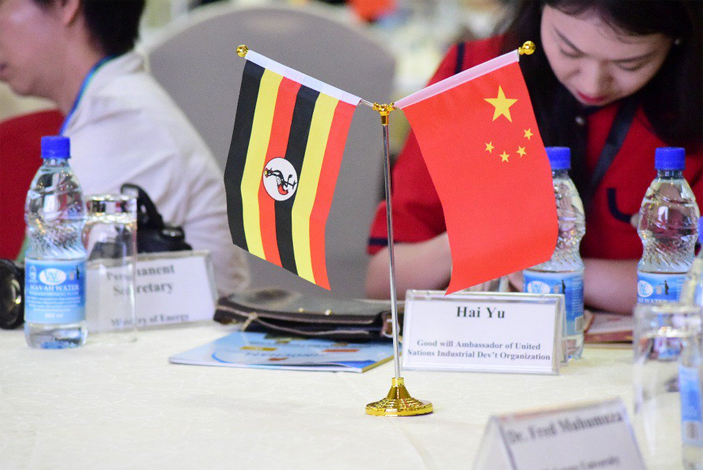
While speaking at the Sino-Uganda cooperation symposium themed “The Harmony of Civilization and Responsibilities for a Better World”,  Timothy Kersewell a professor at the Chinese University of Hong Kong Shenzhen referred to the recent sanctions by the Biden administration on Uganda as abnormal further questioning the western regard of what  constitute a sovereign state.

Much as I sympathise with every marginalised individual or group in whichever part of the world he or she inhabits, I also strongly agree with Professor Timothy as it has always left me with so many questions answered on the procedures and mechanisms the US follows when it decides to play the sanction card.

Theoretically, the West regards itself as a custodian of international law yet these unlawful sanctions undermine its credibility in that regard.

International law upholds the principle of sovereignty without any classification of teacher-student kind of relationship which hegemonic countries want to impose when they interfere in other sovereign country’s internal affairs.

Over time US has been using sanctions as a tool of punishment with whoever violates their ideals although the effectiveness of the sanctions towards achieving their intended goals can be debated.

Steven Akabwayi is a Research fellow at Sino-Uganda research centre.

Navigating the Trade Imbalance: Increased Cooperation with China Benefits Uganda and Africa

Recently, the European Union(EU) Parliament issued a formal complaint against the Chinese People’s Republic regarding its trade deficit with China. This complaint has sparked global debate about the nature and impact of China’s economic engagement with the world especially with  developing nations. While the EU’s concerns are not without merit, in the new multipolar world, the continental body seems to often fallen short of the economic flexibility that previously made it an economic powerhouse.

In this Uganda presents a contrasting perspective; a nation often lauded as the most entrepreneurial in the world,  the potential of China’s unique approach to development in bridging Africa’s infrastructure gap and fostering inclusive economic growth could be the defining factor for our nation’s economic prosperity for the coming decades.

Trade Deficit: A Stepping Stone, Not a Stumbling Block

Uganda’s trade deficit with China is undeniable, with imports significantly exceeding exports. However, unlike the European Union, Uganda’s situation presents a unique opportunity where we can leverage China’s infrastructure development focus to accelerate our  own economic progress.

The Eurocentric model of development aid, often plagued by bureaucratic hurdles and limited tangible outcomes has proven largely ineffective in addressing Africa’s critical needs. In contrast, China’s investment in infrastructure projects like the Kampala-Entebbe Expressway and the Karuma Hydropower Plant directly improve Uganda’s transportation network, energy security, and overall economic activity. These investments create skilled jobs, stimulate local businesses, and lay the foundation for long-term economic growth.

To maximize the benefits of our relationship with China while minimizing the trade deficit, Uganda should adopt a multi-pronged approach by making strategic investments especially in these key areas;

We should further explore our economic diversification by moving beyond the current dependence on exporting raw agricultural commodities and minerals. This can involve processing agricultural goods locally, focusing on value-added products, and exploring latent potential in sectors like tourism in which we are abundantly gifted. With China’s success at poverty alleviation, it provides a potential tourism market of more than a billion people.

Additionally, we should comprehensively develop our national industrial capacity. China owes it’s rise to prowess in manufacturing and industrial development. This prowess through technology sharing can be leveraged to build Uganda’s own industrial capacity.Attracting Chinese companies to establish production facilities in Uganda can also create jobs, facilitate knowledge transfer,and reduce reliance on imported goods.

We will also need to strengthen trade facilitation which is the backbone of bilateral trade.The custom procedural process in the country needs to be streamlined with our foreign embassies and ambassadors. There’s hundreds of Ugandan importers in China facilitating the export of tons of Chinese made goods to the continent every day. The reason this is not two way traffic is because of the bureaucratic and expensive export process within the country. We will certainly need to streamline the export process if we ever hope for our goods to reach the Chinese markets.

The win-win approach which defines China’s foreign policy methods has already seen several Chinese companies setup shop in Uganda an outstanding example being the Chinese industrial hubs in Kapeeka and Mbale catalysing joint ventures between Ugandan and Chinese businesses can unlock new opportunities for both sides. Sharing expertise, resources, and market access would lead to innovative products, improved services, and increased trade flows.

A Balanced Approach: The Key to Success 

While Uganda and other African nations must capitalize on the benefits of their relationships with China, adopting a balanced approach is crucial. Diversifying partnerships beyond China, ensuring fair and transparent trade practices, and promoting responsible investment are essential to safeguarding Africa’s long-term economic interests.

The debate surrounding China’s economic engagement with developing nations is complex and multifaceted. While concerns about trade imbalances tend to look at the traditional indicators imports and exports, Uganda’s experience demonstrates the potential of China’s unique approach to development. By strategically leveraging this partnership, Uganda and other African countries can accelerate their economic growth, bridge their infrastructure gap, and create a more prosperous future for their citizens. Ultimately, the key to success lies in a balanced approach that acknowledges both the benefits and challenges of China’s economic presence while ensuring that Africa’s long-term economic interests are protected and advanced.

Shemei Ndawula is a Research Fellow at the Development Watch Centre.


Huawei’s Global Partnerships can be Replicated in Uganda

On, 21st November, 2023, Huawei Technologies held its Huawei Sustainability Forum in which they showcased their global developments over the past two years as well their future developments and partnerships. This event marked an inflection point as it showcased the growing influence of Huawei in sustainable growth and development in the fields of healthcare, tourism, education, sustainable infrastructure and 5G coverage in the promotion of the development of the aforementioned sectors.

This is not the first time Huawei technologies is extending and sharing their technology experience with the world. In November 2022, the company signed a global international telecommunication union agreement to provide technological services to rural areas in 80 countries covering 120 million people.

South Africa and Nigeria are one of the major beneficiaries of this agreement which aims to provide internet connectivity to rural areas in an effort to fast-track health service provision and education via Huawei’s networks. This is part of Huawei’s agenda to promote digital integration and sustainable development as well as cultivating digital talent and enabling economies sophisticate in line with the desire to meet Sustainable Development Goals (SDGs) and expand the middle class in various economies through digital inclusion.

This provides a ripe opportunity for Uganda to harness such digital technology and AI to promote innovation and sustainable development through digital inclusion by partaking in digitization to sophisticate her young population in a rapidly industrializing world that needs a highly trained working class who can meet the demands of today. Equally, with Huawei’s technology innovations, health care diagnostics can be availed in real time which can sharply reduce the infant mortality rate as well as fast tracking problem solving within shorter time frames. It should be acknowledged that Uganda and China have strong bilateral relations. Uganda cannot afford to be left behind in the digital revolution. This means that we should leverage our relationships to aide our growth and interaction with the wider world for the benefit of a younger, thirsty population who are eager to utilize the opportunities that are out there.

Digital technology can also rapidly boost productivity and efficiency. Huawei can aide this through partnerships which can rapidly increase our output. Huawei aims to promote digital inclusion through education which can increase the skillset of the youth in vulnerable and remote societies. In 2020, Huawei and UNICEF promoted Education for all in Ethiopia, Ethiopia and Ghana which aims to increase the skillset of students and teachers in remote areas. Huawei equally set up solar projects in these countries which aims to maintain connectivity in hard to reach areas. This helps to better serve humanity and maintain consistent supply of the internet for digital inclusion and education.

In the Yucatan Peninsula, Huawei uses technology to protect diversity and track rare species using AI and digital technology that carries out 24/7 tracking. This aims to protect such endangered species as well replicating such innovation in other countries to promote conservation efforts.

Huawei seeks to use her technology to promote “tech for good” to promote sustainable development across the globe.

A case study of Huawei’s work is in Heshun Town, Yunnan Province, China.  Huawei has managed to digitize the tourism, education and healthcare experience by providing consistent Wi-Fi network and charging stations which keeps the whole are connected to the internet. As announced during Huawei’s Sustainability Forum, 2023. It should be noted that all of this is achieved in harmony in nature by avoidance of harming the environment and promotion of eco-tourism and sustainable technology use by promoting smart travel and using transportation that does not increase the carbon footprint.

It should be noted that Uganda is seeking to promote sustainability through the Climate Change Act and reduce liability on imported electric vehicles.  Huawei is at the forefront of promoting rural development through smart infrastructure that has a limited impact on the environment. As stated in their 2023 Sustainability Forum. This can be reflected in Uganda where we seek to modernize without harming our flora and fauna.

Equally, companies like Huawei can increase our broadband services by widening our technological infrastructure so that internet reach in rural areas is as competent as that in urban areas. Or, in our instance, 5G infrastructure in regional cities is as competent as that in the capital, Kampala.

Huawei is equally at the forefront of technology that promotes the study of diversity. Huawei has partnered with the World Wildlife Fund in Italy to study rare species and foster research and education. This has been fostered through the provision of Huawei cutting edge hardware which makes research work seamless. As stated during the Huawei 2023 Sustainability Forum. This can equally be replicated in Uganda through partnerships with Huawei and the Ministry of Tourism, Wildlife and Antiquities and her subsidiary agencies like Uganda Wildlife Authority, and Uganda Wildlife Education Centre (UWEC) to study biodiversity and wildlife unique to Uganda.

Another case study of Huawei partnering in healthcare is through its partnerships in Pakistan (as stated during the Huawei Sustainability Forum, 2023) to promote digitalization in remote areas to fast-track diagnostics and providing storage for patient records and system information which aims to promote efficiency in health care provision as well as providing a database which can act as an inventory for medical records that are otherwise degradable in hard copy format.

It is should also be acknowledged that paper waste has a large harmful effect on the environment. This is because the process of creating paper demands cutting down of trees as a raw material for this paper. Digital storage therefore helps to reduce such storage by providing digital copies which help mitigate this waste.

In conclusion, Huawei Technologies’ recent forum provides an opportunity for African governments and Uganda in particular to partner with the tech firm to leverage the company’s know how to promote the country’s development in line with Vision 2040. However, it should go without saying that private actors can equally take this as an opportunity to court the Chinese tech firm to create partnerships for the benefit of their business as well as increasing their global footprint in line with their goals to promote rural development, interconnectivity and business across the globe.

Ernest Jovan Talwana is a Lawyer and Technology Research Fellow at Sino-Uganda Research Centre.


Fostering China-Africa Relations Through People-to-People Diplomacy

By Steven Akabwayi

In 2013 when President Xi Jiniping who doubles as the General Secretary of the Chinese Communist Party of China (CPC) officially availed the Belt and Road Initiative during his visit to Kazakhstan, he emphasised on major priorities which included constructing a large market and making full use of both international and domestic markets through cultural exchange and integration to enhance mutual understanding and trust of member nations resulting in an innovative pattern of capital inflows, talent pools, and technology databases.

Like it’s skeleton the Silk Road, BRI also embodies the cultural heritage and exchange through people to people as a key component for it’s success.

Many centuries ago, Africa and China had contact under the Silk Road the two civilizations had profound respect for each other not only through exchange of goods and services but also through knowledge and ideas at libraries and universities such as the ancient Timbuktu in western Africa.

Even  at it’s helm, the ancient Chinese Han dynasty(206 BCE- 220 CE)  traded fairly with Africa under the Silk Road they neither enslaved Africans or abused them like the Europeans did.

In October this  year, I had a chance to participate in the Modernization and China Africa joint development seminar hosted by the University of Chinese Academy of Social Sciences in Beijing in partnership with China Africa institute and Chinese Academy of social Sciences.

The seminar brought together government officials and scholars from African countries with an understanding of the inspiration and importance of Chinese modernization for AfricanDevelopment.

China has also initiated other various youth exchange programs that facilitate interactions between Chinese and African youth focusing on leadership development, cultural exchange and fostering global citizenship.

As the saying goes a friend in need is a friend indeed, As one way of strengthening people to people exchange, over  the past 20 years, China has provided about 120,000 government scholarships to African countries, built 61 Confucius Institutes and 44 Confucius Classrooms with 46 African countries, and sent 21,000 medical team members to 48 African countries, treating 220 million African patients.

It’s not by surprise  that Africa and China cultures have each influenced one another for generations, the two cultural heritages have the same underlying values that put a community over individualism unlike the western cultures.

While attending the seminar in both Beijing and Guangzhou, several interactive lectures were conducted that jointly explored the principles, strategies, path, and methods of China-Africa joint development under the One Belt One Road initiative that envisions facilitating Africa’s development alongside China’s development that will ultimately achieve mutual benefit, a win-win situation.

For years, the West has been peddling lies about the Belt and Road Initiative as a debt trap by the Chinese government targeting economically struggling African countries.

During the seminar Professor Wang Yuzhu of the National Institute of International Strategy demystified such allegations explaining that the Belt and Road Initiative follows a strict principle, he mentioned that it was jointly built through consultation to meet the interests of all and efforts are always made to integrate the development strategies of the participating countries.

In July this year, Uganda’s leading think tank on foreign policy Development Watch Centre conducted a study where at least 400 respondents from diverse backgrounds including scholars, journalists, politicians ,business community among others participated in it, the study found that 76% of Ugandans had a positive view towards China, this was based on China’s infrastructure development which has improved livelihoods, roads, reduced unemployment, provided scholarship, exchange programs among others.

This diplomatic victory is not only limited to Uganda, a recent study by Pew Research Centre found that in the past decade, many middle-income countries have had increasingly favorable attitudes towards China these countries include South Africa, Kenya, Nigeria among others.

By analysing Chinese history one can observe the role and significance of the Chinese leadership towards Chinse economic transformation with notable leaders including Chairman Mao Zendog, President Deng Xioping 1978-1989 and President Xi Jiniping 2012 to present these have have promoted national unity, enhanced economic strength, promoted democracy among others.

While at the seminar in both Beijing and Guangzhou, I undertook various intellectual stimulating lectures and personal interactions with delegates from different African countries, I observed that much as China has not completely weaned off many Africans from Western orientation, the fact is that it has achieved a big milestone towards leveling the ground of global politics, Africans are starting to learn more about Chinese civilization and its development model as a force that can counteract the western hegemony. This indicates the significance of China’s people-to-people diplomacy towards Africa as conducted through cultural, educational, and professional exchange visits.

I’m optimistic that by organising such engememnts and seminars, it will have profound impact on Sino-Africa relations.

Steven Akabwayi Research fellow at Sino-Uganda Research Centre Centre.


THE TRUE CHINA

What is the true China? This is a question that is asked frequently by many, both elites and ordinary citizens from all walks of life all around the world. The China question is an important one since the country has a history spanning millennia and has consistently existed in global discourse, playing an important role throughout the world’s long history. Interest in China is not new and has steadily peaked over time mostly because it is a country that is unique in its characteristics and ideologies, yet very similar to many others in its political, social, cultural, and economic realities.

There is no absolute answer as to what is the true China. However, my answer to this question would be; that the true China is its people. My answer is not a new profound answer to the question, rather it is an observation influenced by personal experience. In a recent collaboration with the China Africa Institute (CAI), the Chinese Academy of Social Sciences (CASS) alongside the University of Chinese Academy of Social Sciences (UCASS), I attended a seminar in Beijing and Guangzhou themed Chinese Modernisation and China –Africa Joint Development. During this seminar, I better understood the significance of President Xi’s brilliant remark that the people are the country, and the country is the people.

China’s national organization is unique and a lot can be learned from it. The country is organized around the careful and strategic planning of its government led by the Communist Party of China (CPC). Despite all the vitriol from certain Western political centers about the CPC and its method of governance, my observation is that the Chinese people love the party and want to be part of it and its agenda. Patriotism is a key trait of Chinese people. The CPC does not demand uncritical loyalty from its members but also does not tolerate traitorous schemes of trying to overthrow the government. The government is the party and the party is the government. This is a system that works for China and has consistently delivered on development in all aspects which has led to an increase in people’s happiness. After all, it is one of the CPC’s and dare I say should be humanity’s principle to ensure the happiness of the people by helping them to realize their ambitions, hopes, and dreams. The CPC created a Chinese dream that is completely different in practice from the American dream. The Chinese dream is rooted in socialism, togetherness, and country above self as opposed to the individualistic American dream rooted in profit at the expense of everything else.

The CAI has done a commendable job in advancing China-Africa relations to greater heights. Its current vice president, Wang Xiao Ming is the embodiment of China’s warm embrace with Africa through mutual respect and focused collaboration. Moreover, through UCASS and CASS, China is also successfully bridging the information gap within the international community by telling China’s story through the lenses of well-educated and highly informed scholars. Seminars like the one described above are a vital magnet in attracting keen and genuine interest in the China question. More effort needs to be placed in such seminars and I confidently predict that within a short time, the narrative on China will have changed dramatically. Western framing of China holds no power or sway among well-informed and educated communities of people.

The warm, welcoming, and curious yet reserved people of China that I interacted with are the true ambassadors of the People’s Republic. The people and their culture make China a beautiful country that is truly a place prepared to lead the world into a new era of prosperity, civilizational diversity, peaceful development, and, true multi-polarity

Of course, not everything or everyone is perfect in China just like everywhere else. However, honest visitors to China will most likely come to a similar conclusion as I did. Unfortunately, a good number of people know nothing about China except for what they see in Western media, unreliable African tabloids, biased pundits, and pseudo-intellectuals with a pre-programmed worldview.

The fact is most of the discourse on China in Africa is dominated by Western ideological lenses and frames. This is driven forward by a propagandized media with a barrage of often skewed facts. The term ‘fake news’ did not gain popularity by mistake. There has been a concerted effort from Western governments to sully the image of China and create an aura of negativity around the country. However, a visit to China can reveal an entirely different truth.

The leadership of the CPC has captured the true meaning of good governance based on the principles of planned development with respect for the environment. The air in Beijing which was once polluted, and painted a bad image of China is now very clean and clear. The greenery in Beijing can be observed from the sky as the city leadership has taken unprecedented steps to clean it up. Also, the government has undertaken a large program to rid the city of harmful exhaust fumes from fuel-powered vehicles. The city has embarked on a bold program to increase the number of electric vehicles on the road and slowly transition from fuel-powered cars. The capital, despite having millions of people, is mostly quiet, clean, and organized. The crime rate in major Chinese cities is relatively low compared to some Western capitals. This is a huge achievement because it shows that the CPC’s way of governance leads to safety for both locals and foreigners.

Furthermore, whereas China is still a developing country, the CPC has taken huge strides to make the lives of Chinese better and much simpler. The transport network or system in China is state-of-the-art and can be compared to a few around the world. The subways are clean and well-maintained, and the transport system is fast and efficient.

Guangzhou is a city that bears hallmarks of China’s embrace of the future. The city is a vibrant spectacle of cultural diversity and inter-civilizational exchanges. In the outskirts is the China-Singapore knowledge city that is also a towering beacon of China’s future which is ambitious, daring, artistic, planned, and a testament to the CPC’s good governance through collaboration with willing partners.

Most people misunderstand China’s strict laws and often overlook the fact that it’s these laws that have made China a vibrant tourist destination and a safe place for all law-abiding foreigners. While in China, it is hard to see an armed officer, yet everyone seems to be orderly. The people have gradually internalized a true rules-based society and are mostly organized.

Finally, I think China-Africa relations are better served with these kinds of educational exchanges involving different groups of people from different sectors of the African economy. Mutual learning eventually leads to mutual understanding, win-win partnerships, and a shared future of prosperity. China has a lot to learn from Africa and the reverse is true. The future of China-Africa joint development is in the capable hands of the CPC and the Chinese people, African leaders, and African people and in organizations such as CAI, CASS, UCASS, Development Watch Center, and many more others. People-to-people diplomacy is the ultimate plug between China and Africa. CASS, CAI, and UCASS through joint efforts have managed to show the true China to many African friends.

The Writer is a Senior Research Fellow at the Development Watch Center

Belt And Road Initiative: 10 Years of Transforming Africa

By Steven Akabwayi

In 2013, Chinese President Xi Jinping launched the Belt and Road Initiative (BRI) which emerged to be one of the most significant and greatest projects of the 21st century according to experts.  By June 2023, over 152 countries and organizations had signed agreements related to BRI including the African Union as bloc.

The BRI was primarily established to link East Asia and Europe through physical infrastructure but was later expanded to Africa and other continents by the Chinese government significantly broadening the Chinese economic foothold on the continent.

Just two weeks ago, world leaders gathered in Beijing for China’s Belt and Road initiative, this was its third event of this kind since its official flag-off by President Xi Jinping in 2013, over 130 countries participated in this summit with analysts noticing China’s ambitions to solidify its relations and engagements more towards the global south as ties between Western countries and Beijing continue to take a drastic rift.

From the African perspective, the Belt and Road Initiative is beyond major infrastructure projects, Africans view the Belt and Road Initiative as a vehicle for improving people’s livelihoods and standards of living and a way of sharing China’s development dividends with other countries especially those in Africa where there is great hunger for development.

The Belt and Road initiative also embodies China’s vision of a win-win foreign policy approach that envisions building a global community of shared future as President Xi Jinping proclaimed in this years BRI summit.

While speaking at the second Belt and Road Initiative Forum for International Cooperation in 2019, UN Secretary-General Antonio Guterres acknowledged the critical linkage of the Belt and Road Initiative with the 2030 agenda.

He noted that the scale of the Belt and Road Initiative’s planned investments offers a meaningful opportunity to contribute to the creation of a more equitable prosperous world for all given that the five pillars of the Belt and Road Initiative are intrinsically linked to 17 sustainable development goals, these are conceptual pillars that can be translated to real world progress for all people mostly in Africa addressing poverty, hunger, climate change among others.

As one way of addressing climate change which ranks number 13 on the UN’s 17 Sustainable Development Goals(SDGs), China has expressed commitment to green development and promoting environmentally friendly projects.

“It doesn’t matter whether the cat is white or black, for as long as it catches the mice” This was the point of view Deng Xiaoping put forward as a guiding philosophy to develop the economy and restore productivity, however, when Xi Jinping took over in 2013, he reversed this view citing that for the cat to catch the mice, the later has to be green. This potrays  the emphasis and priority he accords to a sustainable clean green environment.

Currently, China is the world’s leading investor in Greenfield energy and infrastructure systems across the developing world the same climate-friendly developments have been intensified under the Belt and Road initiative by promoting renewable energy and clean sustainable transportation systems.

On the issue of poverty, China has facilitated a reduction of unemployment in Africa with the Belt and Road initiative projects established, recently china’s leading television CGTN released a documentary that starred a 29-year-old Ugandan youth named Bless whose life was transformed after securing an entry job at karuma hydroelectric power station in Kiryadongo district . According to the documentary, while working at the station Bless gained a set of professional skills that laid a solid foundation for his future development and light a path to a better future for other Ugandan youth.

Contrary to the Western narrative, China’s Belt and Road Initiative is not a debt trap for African countries, china a developing country Sees African countries as its fellows given their shared history, and the Asian economic giant comes intending to provide the assistance that is necessary for Africa development,, through its journey of development, China has identified infrastructure as a critical component for any countries development .

China contributes significantly to the development of infrastructure in Africa which has been for long been the main constraint of achieving economic transformation on the continent.

In less than a decade, Africa has witnessed the establishment of mega airports, roads, and railways to overlapping bridges that run overseas and across rivers connecting faraway places, ports, and large cities.

As far as infrastructure is concerned in the East African Community, China has been a key player through connective finances and technology exchange.

Some of the recent famous projects that have been launched under the Belt and Road Initiative in Africa as a whole include the Bagamoyo port in Tanzania which aims at enhancing Tanzania’s maritime capabilities and facilitating regional trade.

There is also a standard gauge railway in Kenya connecting port Mombasa to the capital Nairobi, the Lamu Port that aims at connecting Kenya with South Sudan and Ethiopia, Suez Canal Economic Zone in Egypt, port of Djibouti among others.

Steven Akabwayi is a Research Fellow at the Sino-Uganda Research Centre


A Decade of Lighting Nations Through Energy Infrastructure Development: Recounting Fruits of the Belt and Road Initiative

On average, an African woman spend up to 5 hours per day collecting firewood. A study funded by Finnish ministry of foreign affairs on Modern Cooking Facility for Africa (MCFA) contends this prevents women and young girls from engaging in productive economic activities, school and at times exposes them to physical violence. MCFA attributes this challenge to lack of access to affordable and clean cooking facilities which can largely be explained by lack of electricity on the continent especially in rural areas.

Relatedly, the Word Bank (WB) indicates that approximately, one billion people from Sub-Saharan Africa and South Asia have no access to electricity. This indicates a huge barrier to socio-economic transformation of world’s significant population portion and has both direct and indirect effects on development efforts like hindering or slowing expansion of development indicators such as health, poverty reduction programs, education, food security among others.

However, infrastructure financing including energy infrastructure is a very expansive venture which involves huge amounts of funds. A study by the WB titled “why we need to close the infrastructure gap in sub-Saharan Africa,” underscores this stressing that infrastructure funding gaps are bottlenecks to Africa’s economic take-off. The African Development Bank (ADB) also stresses the need to reduce the region’s infrastructure funding gaps for the continent to achieve its development goals putting needed budget to $130-$170 billion annually.

Despite this, international creditors and commercial loans meant to fund such projects in developing countries have significantly reduced over a period. Other funders especially from the Western world are largely interested in funding areas like administration and so-called democracy programmes, leaving out key sectors like energy and transport infrastructures which are key for social economic development to be achieved. For example, World Bank which used to spend 70% of its funding in infrastructure significantly reduced this to about 30%.

In Uganda, the government has been working hard to increase electricity production capacity as a sure way to increase its accessibility countrywide and China has been a reliable partner in this endeavour with Beijing funding the country’s two major hydropower projects under the Belt and Road Initiative (BRI). Also, under the same arrangement, China is funding Uganda’s rural electrification program.

Through EXIM bank of China, Chinese government offered concessional loan to fund 85% cost of the Karuma Hydropower project, while Uganda government is meeting the remaining 15%.  A Chinese firm SinoHydro Cooperation is undertaking the project which is Uganda’s biggest hydropower plant and possibly, the 14th largest hydropower dam in the world. Upon completion, the project which is now 99.45% complete will produce 600MW which will push the country’s hydropower generation to 1,868 MW. The government hopes this will help the country to increase power accessibility countrywide reduce power tariffs in the long run.

Currently, 200 megawatts have been connected to the national grid. Upon completion, it will add 44.6% to Uganda’s increased power supply effectively helping more Ugandans to get connected and lowering power tariffs and advance the country’s goal of industrialization drive.

Isimba hydropower dam is another project funded and constructed by Chinese government still under BRI arrangement.  The dam which started its commercial operation in 2019 was formally handed to the Uganda government on 31st March 2019. As of May 2023, it had produced about 3.98 billion KWH generating approximately 165 million USD revenue to Uganda government. Today, Isimba power tariffs is at 4.16 cents per kilowatt hour (KWH).

Also, Uganda’s Rural Electrification program which aims at increasing the country’s access to electricity to is 90% on course. The program which is funded by Chinese government as a concessional loan is being implemented by a Chinese firm TEBA has already connected over 170,000 Ugandans in rural areas to national grid.  It is also under the BRI arrangement.

From Chinese experience, we learn that infrastructure development is key for any country to achieve its development goals. As Asia Development Bank chief, Jin Liqun once noted; “The Chinese experience illustrates that infrastructure investment paves the way for broad-based economic social development, and poverty alleviation comes as a natural consequence of that.” There is no doubt that China gives us a perfect case of what investing in infrastructure can do for countries seeking socio-economic development.  The good news is that as Beijing pursues building a community of shared future, it has been willing to share and support willing countries by investing in their infrastructure development as a way of backing their economic take off. BRI has been vital in this journey.

Uganda’s vision 2040 statement which seeks to see “a Transformed Ugandan Society from a Peasant to a Modern and Prosperous Country within 30 years” lists increased generation of affordable power as a magic bullet for the country’s socio-economic take off. To achieve this, Uganda must increase its electricity per capita consumption from the current 215 kWh to at least 3,668 kWh. This to happen, we must raise our power generation capacity to at least 41,738MW and increase access to national grid to at least 80%.

Considering figures and reality in the country, it is arguably incorrect one to talk about Uganda’s electrification program without mentioning China’s contribution. Through concessional loans under the Belt and Road Initiative, China has supported Uganda’s energy infrastructure sector right from Isimba to Karuma hydropower project and to Uganda’s rural electrification program. Given importance of this sector, by all means, China’s contribution to Uganda’s socio and economic development cannot be underestimated. As we mark 10 years of Belt and Road Initiative, as a Ugandan and African, I cannot shy to say China-Africa relations have produced real results and the cooperation is a textbook example of win-win cooperation and a positive effort towards building a community of a shared future for mankind in the new era.

Allawi Ssemanda is a Senior Research Fellow at the Development Watch Centre


CHINA-AFRICA RELATIONS: A WIN-WIN FOR ALL

By Steven Akabwayi

Increasingly, China is becoming a beacon of hope for the African continent. Now that the BRICS is here bigger, and better than before with the addition of two African countries with Egypt and Ethiopia joining South Africa, China will leverage this opportunity to strengthen its economic foothold on the African continent.

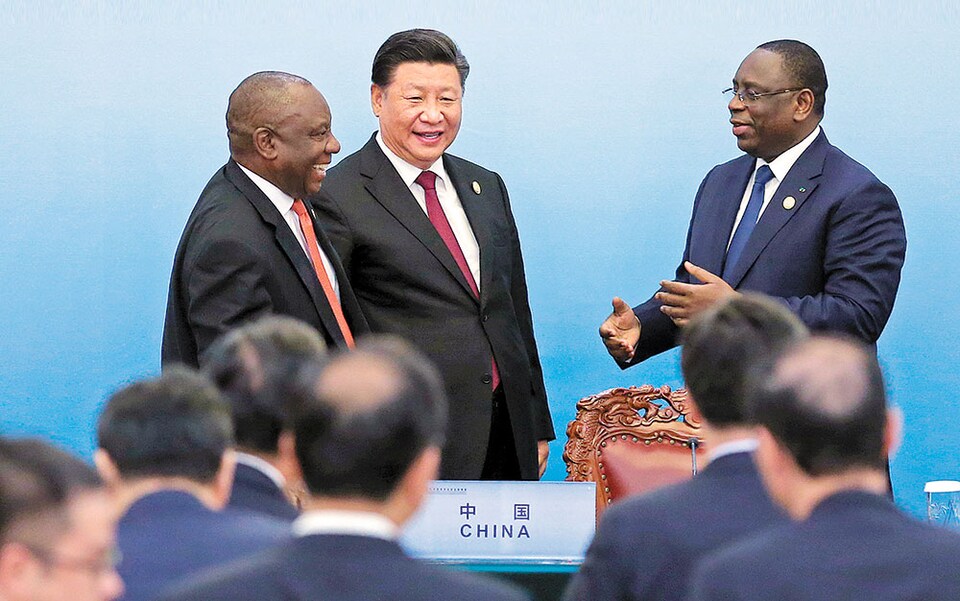
Speaking at the BRICS summit,  South African President Cyril Ramaphosa who was the summit’s chair envisioned a community of shared development and progress between China and Africa referring to it as “ a win-win” partnership.

“Our relationship with China will be one of promoting win-win outcomes based on important projects that we have initiated such as the African continental free trade area that is going to be the engine of our economic development”, noted South African leader, Cyril Ramaphosa.

On the other hand, his Chinese counterpart President Xi Jinping expressed commitment to supporting Africa’s industrialization aspirations which will be achieved by rolling out the required initiatives. “China will launch an initiative in support of Africa’s industrialization”, Xi said adding that the Chinese government will also harness its resources for cooperation with Africa and initiate business to support Africa in growing its manufacturing sectors so as to realise industrializationand economic diversification.

Indeed, on the eve of the summit, in an Op-Ed, President Xi emphasised importance of mutual win-win cooperation between China and African countries which he emphasised will always be a guiding principle for China’s cooperation with African countries, writing that, it is “ten years since I put forth “sincerity, real results, amity and good faith” as the principles for China to develop its relations with Africa. The past decade has witnessed our joint pursuit of a China-Africa community with a shared future in the new era, and the completion and handover of a host of projects including the Africa CDC Headquarters, the Foundiougne Bridge in Senegal, the Nairobi Expressway and the Mombasa-Nairobi Railway, renewing China-Africa friendship across the vast lands of China and Africa…”

China has had several initiatives and interventions on the African continent one of them being the Belt and Road Initiative (BRI). The BRI that was launched in 2013 by President Xi Ping was based on the Silk Road that existed many centuries ago and acted as a global pathway for trade in goods and services also serving as a channel for sharing ideas and culture.

The BRI was primarily established to link East Asia and Europe through physical structure but was later expanded to Africa and other continents by the Chinese government significantly broadening the Chinese economic foothold on the continent.

Barely marking its first decade this year, the BRI’s impact have already been felt on the continent. Under the BRI there has been the establishment of railway networks in Eastern African countries connecting Addis Ababa and Djibouti, and other infrastructures such as ports in Kenya, and Karuma dam in Uganda among others.

These projects will accelerate regional integration by improving transportation and logistics which will boost economic development.

At the BRICS summit, member states expressed concern relating to trade-restrictive measures and inconsistencies stemming from international financial institutions such as the World Trade Organisation and the World Bank that are dominated by Western powers.

In his letter issued on 17th August, President Museveni with bitter concern condemned Bretton Woods institutionsafter the World Bank announced that it was freezing approval of new aid and loans towards Uganda the move that he described as an act an act of “provocation and arrogance”.

Many African countries have expressed resentment towards skewed financing arrangements from Western countries and institutions. These often come with stringent conditions that borrowers from developing economies must meet, the conditions which some observers say are always divorced from African realities and needs.

The harsh borrowing conditions by Western financial institutions have made most African countries turn towards China given its financing strategy that comes in the form of grants, aid, and loans at free or low interest rates.

The Chines loans are always directed on essentials sectors such as mining, transport and construction among others which boost Africa’s economies.

There has also been growing criticism and debates about unfair policies and practices by the Bretton Woods institutions.

Emerging economies have continuously called out America for holding unequal powers and favoritism towards Bretton Woods institutions weaponizing dollar currency for example through unfair sanctions.

It’s against this backdrop that the BRICS leaders tasked their respective finance ministries and Central Banks to come up with a viable plan for the use of local currencies, payment instruments, and platforms by the time they report back for the next BRICS summit.

Steven Akabwayi is a Research Fellow at Sino-Uganda Research Centre.

An African Perspective on the CPC’s Concept of Whole Process People’s Democracy

The Communist Party of China (CPC) has served the people of China for several decades with utmost effectiveness that should be admired everywhere. The success of the CPC is not a mere fluke, considering the complexity of China’s history and national realities. China with more than a millennium of history has had to endure civil wars and power struggles from different dynasties that exposed the common people to untold suffering. The opium wars and Western colonialism also left the once-great civilization of China on the brink of collapse. The CPC pulled China from the jaws of destruction and put the country on a path to unprecedented prosperity and success.

The People’s Republic of China is a vast country with a huge population and a diversity of cultures and ethnicities. To govern such a country, a certain political acumen and tact is required and the CPC under the leadership of President Xi has proved itself a very capable candidate to map China’s development well into the future.

President Xi introduced the concept of whole process people’s democracy back in 2012 and elaborated it as true democracy that addresses the people’s concerns and is characterised by the people’s participation in all state’s social, cultural, and economic affairs. This type of democracy is ‘whole process’ because the people engage in democratic elections, consultations, management, decision-making, and oversight in accordance with the constitution. On the other hand, it is the people’s democracy because China’s constitution labels the people as masters of the country.

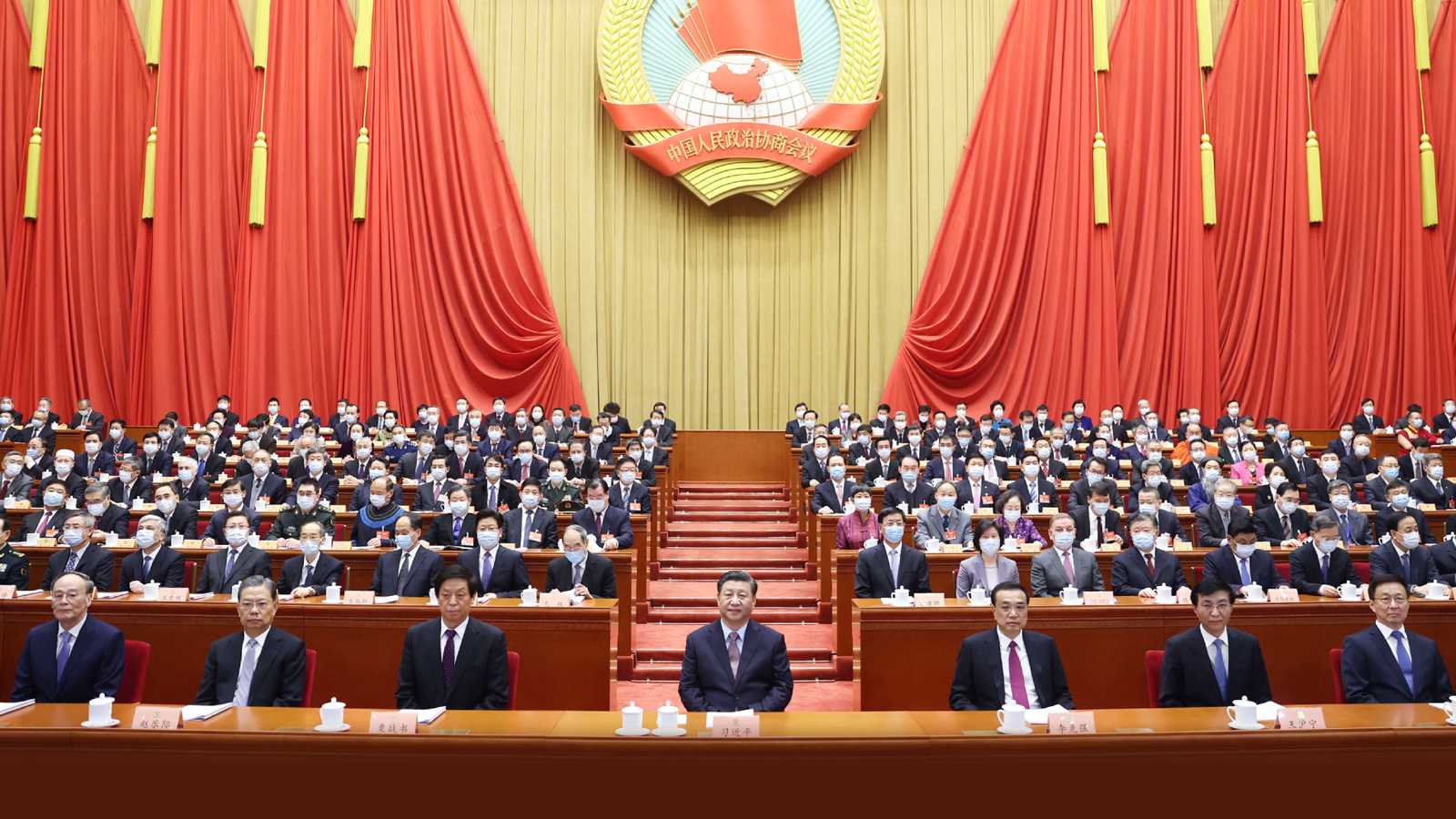
The National People’s Congress (NPC) and the National Committee of the Chinese People’s Political Consultative Conference (CPPCC) work closely with and hold two sessions in which they deliberate on the governance of the state with the people’s interests in consideration. These national bodies collaborate closely with elected grassroots officials to address issues of concern for every citizen. These grassroots committees run from the village, town, and city to the provincial level. Through them, the common person’s concerns are able to reach the highest level of the Chinese government. Moreover, the CPC despite being the dominant party of choice for most Chinese people, still works closely with a number of other political parties in China.

China has demonstrated that whereas every country should aspire to be democratic, the concept of democracy varies from one country to the next depending on their national context. Not every country is suited to the Western style of democracy. Aspects of culture, geography, history, demographics, and economics play a vital role in determining what sort of democracy a country will be. Centuries of the forced and failed Western way of democracy across the world indicate that perhaps everyone cannot be the same and being different is okay. From ancient Greece; the bedrock of democracy to Britain and the United States, democracy has come in different forms for all of these countries.

China, under the CPC, has clearly shown that democracy is not a mere jargon to be thrown around aimlessly, rather, democracy should be practiced and its results seen. China has achieved this by elevating over half of a billion people out of absolute poverty and putting China on a modernization path so effective, it has been dubbed a ‘miracle.’ Furthermore, China’s concept of democracy extends across two fronts; the domestic and the international arenas. Domestically, China has grown exponentially. On the international stage, China has spread the gospel of whole process people’s democracy with a unique Chinese socialism.

China, unlike the West, believes in and practices the concepts of mutual benefit, shared prosperity, and win-win partnerships with its international partners. Through the Belt and Road Initiative, the country has established good relations with others across the world.

African countries, as beneficiaries of China’s growth through the latter’s application of its democratic concepts on the international stage, should proactively seek to develop their own people-centered and development-oriented democratic structures. This should be based on each country’s national realities. Besides, China has always learned from other developed countries and altered these lessons to fit its national context.

Otherwise, the CPC with President Xi Jinping at the helm has produced amazing results by strategically choosing to put the development of Chinese people at the forefront. Rightly so, democracy should indeed be structured around people’s happiness. Elections and a thousand political parties do not mean much if the people are starving and underdeveloped.

Therefore, every Ugandan and every African should be asking their leaders, what sort of democracy they think they are engaging in if the people’s happiness is not a core priority. With China, we can see that political theory should be backed by strategic and patriotic practices centered on common prosperity and the right to development.

The Writer is a Senior Research Fellow at Development Watch Center.