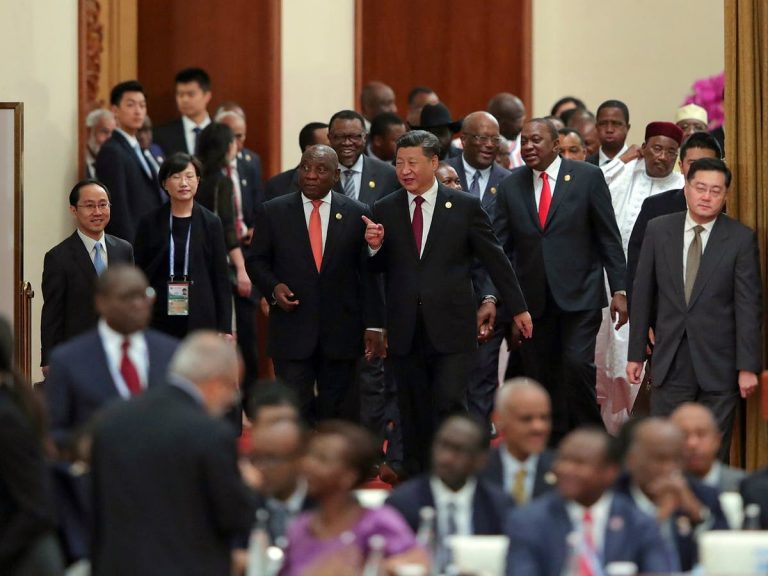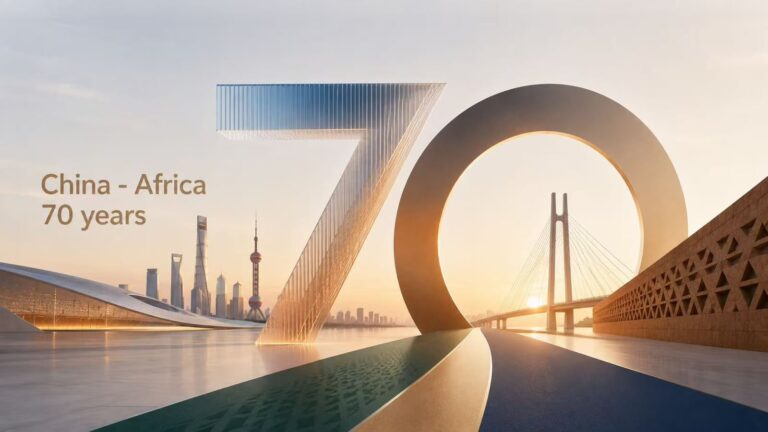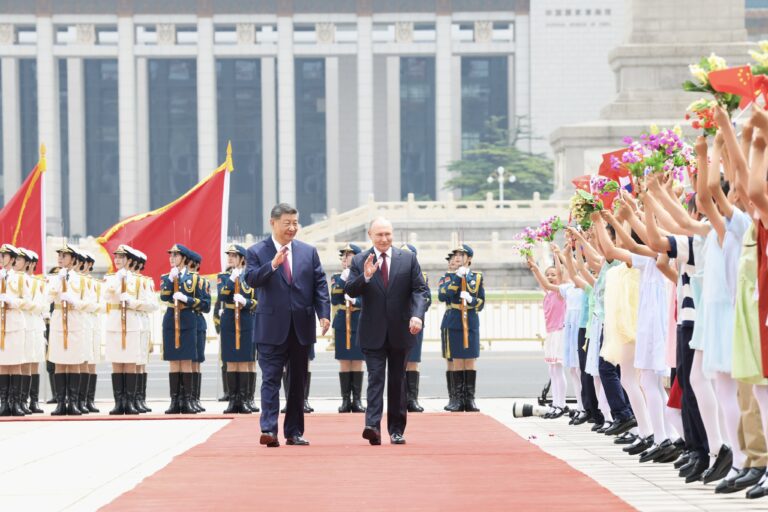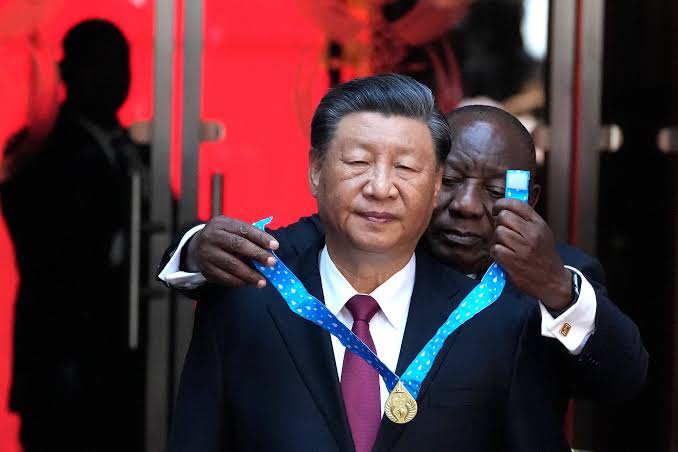
In May 2026, President Xi Jinping and his Egyptian counterpart H.E Abdel-Fattah al-Sisi exchanged congratulatory letters in commemoration of a very important moment in China-Africa affairs. Seventy years prior, in a move whose ramifications nobody would have predicated, Cairo became the first modern day nation on the continent to formally commence diplomatic relations with the People’s Republic of China (PRC). That all but one of the African Union (AU) member states have not only followed this example ever since but also enjoyed very close ties with the Asian super-power speaks to how much things have changed in such a short time.
If the extent of China-Africa cooperation success seems mind-boggling even to the most optimistic observers of international developments at the time of its inception, the same has a lot to do with a common dilemma that both parties quickly became faced with in the very earliest stages of their relationship i.e. western hegemony. At the time that Zhou Enlai serving as the Premier and Foreign Minister of PRC and the then Chairman of the Revolutionary Command Council in Egypt Gamal Abdel Nasser were crafting the template of what would become the May 30th, 1956 Joint Communique (the document on which the subsequent agreements fleshing out the depth of what Egypt and China had agreed upon rested) for instance, less than ten African countries had broken free from the shackles of colonialism.
Subsequently, Beijing became a big pain for the imperial masters allying herself with the struggle to liberate Africa not least through provision of military ware to several guerrilla resistances and applying diplomatic pressure through platforms like the Bandung Conference. And as H.E. Ambassador Alhaji Sarjoh, the AU’s Permanent Representative to the People’s Republic of China recently pointed out in his address at the seminar to mark 70 years of China-Africa and China-Arab Diplomatic Relations, upon gaining their freedom, the heads of the new states returned the favour by supporting efforts to end the isolation that Beijing faced in the 70s. Most notably they rallied behind Resolution 2758 which restored PRC’s seat at the United Nations.
It has also been instrumental that China and Africa have been alive to the fact that times change. Accordingly, as the years have passed, they have revisited their relations to meet the needs of the day. Having arrived at the breakthroughs described above in the last decades of the 20th century then, the early 2000s saw the alliance shift towards institutional development as those involved sought to partner on projects with far more reaching implications for their societies. Doing this meant that there would be mechanisms to foster the streamlining of future collaborations by facilitating efficiency and accountability. Most noticeable at this point was the establishment of the Forum on China-Africa Cooperation (FOCAC).
With this foundation laid, China and Africa set-out to venture on some of the most ambitious projects of our times. Take the Belt and Road Initiative for example. Through it, Beijing has constructed up to 10,000 km of railways lines, 1,000 bridges, 100,000 km of roads, and at least 100 bridges on the African continent alone. Special mentions here are the $1.4 billion refurbishment of the Tanzania-Zambia Railway which is still underway, Maputo-Katembe Bridge in Mozambique, and the expansion of the western terminal at Houari Boumediene Airport. Speaking about two projects accomplished in his country that are just as spectacular (Mombasa-Nairobi Standard Gauge Railway and Nairobi Expressway), President William Ruto told Xinhua News Agency that “they stand as testaments to the vitality and mutual benefits of the Kenya-China partnership, which has improved domestic connectivity and promoted regional integration in East Africa.”
Indeed, the reimaging of relations continues to date. In this category of endeavours falls the debt-relief agreements that PRC has entered with AU countries in recent years (by 2023, China had the largest such scheme under the G20 framework) as well as the extension of zero-tariff treatment by Beijing to all products hailing from 53 of the nations on the continent in a bid to counter the reckless trade war that President Trump rekindled upon returning to power as the Commander-in-chief in Washington. Similarly, at the 2024 FOCAC, Secretary Xi proposed that his country’s ties with her African counterparts are elevated to “strategic relations” while that of the continent at large be redefined to an “all-weather China-Africa community with a shared future.”
Given all this, is it surprising that as recent as the end of 2025 trade between Africa and China grew by 17.7% from the year coming immediately before? The answer is quite simple; not really. And with the nature of the solidarity between the two partners being rooted in many more attributes (e.g. the fact that their combined population accounts for one third of the whole of humanity), it is difficult to see what could possibly stop the progress of their impressive development collaboration.
The Writer is a lawyer and a Research Fellow at the Development Watch Centre