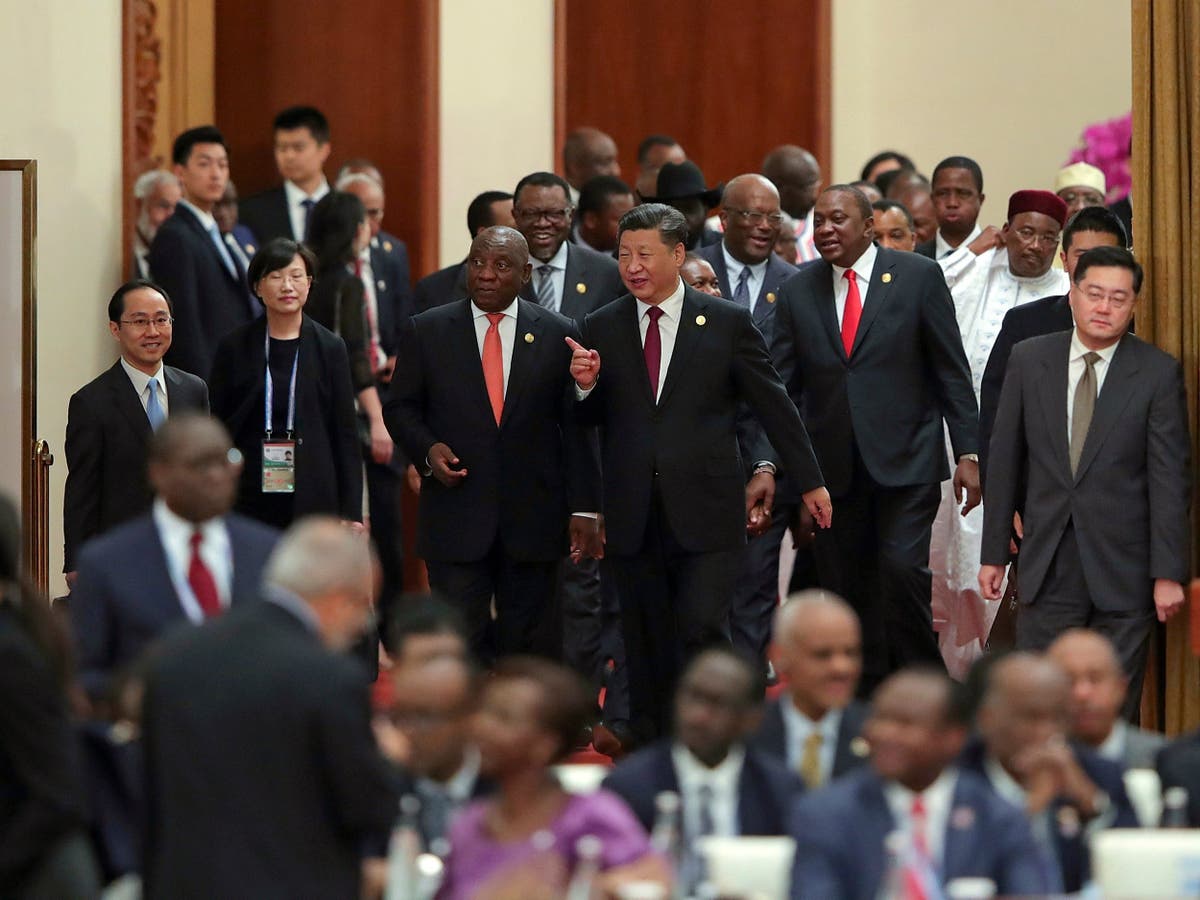
At the Forum on China-Africa Cooperation in 2024, President Xi Jinping of the People’s Republic of China (PRC) confirmed that Beijing and Africa had agreed to designate the year that we are in now as the China-Africa Year of People-to-People Exchanges and true to his word, the said vision has been the hallmark of diplomatic relations between the two destinations throughout 2026 such that in early January, Foreign Minister (FM) Wang Yi flew to Ethiopia making a stop at the African Union (AU) headquarters to officiate the ceremony that formally kicked off this venture. Why does the head of a massive economy like PRC care so much about this question? Well, that’s the subject of our discussion today.
Before that though, it is deserving to take a brief detour and look at the targets set under this cross-pollination of civilizations as well as what has been realized already for readers who would benefit from a background of what is at stake. Speaking to the media at the beginning of this year thus, Mao Ning the Director-General of the Department of Press, Communication and Public Diplomacy at the Ministry of Foreign Affairs in China confirmed that there would be at least 600 cultural activities tailored around the said endeavour. With more to come, some of the events that have been hosted thus far include; an AI Design Art Competition in Mauritius, the China-Ethiopia Food Festival in Ethiopia, and the World Youth Development Forum in Wuhan. The extensiveness of the fields targeted too (i.e. health, technology, fashion, academia etc.) stays true to the theme under which all of it is running; “Consolidate All-Weather Friendship, Pursue the Shared Dream of Modernization.”
Back to Secretary Xi, the most recent portal into his conception of these issues can be found in his congratulatory letter which FM Wang Yi read out at the aforementioned AU event. Therein, he stressed the necessity of the civilizations of either peoples to learn from each other if there is going to be what he referred to as an “all-weather” partnership. While there is no shortage of tangible milestones that the Beijing-Africa cooperation has fostered (think about infrastructure like Mombasa-Nairobi Railway or the fact that by the end of 2025, China had become Africa’s largest trading partner for 16 years straight), this perspective goes a further distance by aiming at entrenching relations for the sake of more long term goals.
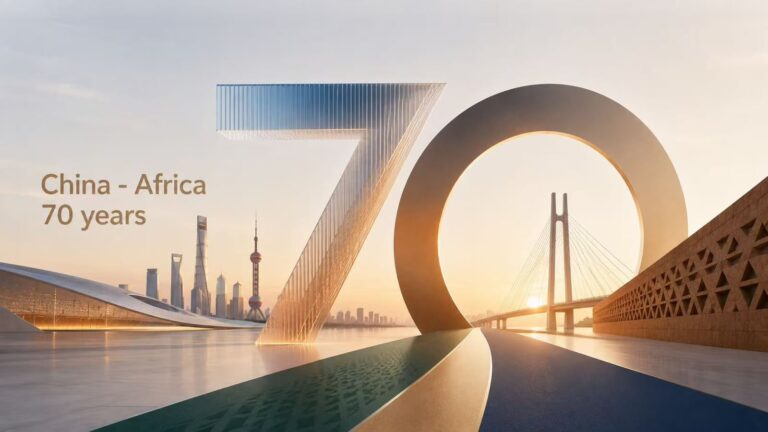
Taking this point of view, the PRC leader understands that making China-Africa an affair that is just about transactions (even when the same are beneficial to all parties involved) can only go so far. Instead, there has to be an extra step taken in which the citizenry get to know each other at a much more intimate level if the relationship between the 53 African Union member states and the People’s Republic of China is not only going to endure beyond the present moment in history but also continue to hold-fast when the inevitable international relations complexities come to test its limits. It should not be surprising therefore, that this course of action was deliberately picked upon to be the marker of the year that commemorates seven decades since the commencement inter-state collaboration between Africa and China.
The second instructive piece to appreciating the place from which President Xi is coming from is another memo. This time written to the delegation at the Third Dialogue on Exchanges and Mutual Learning among Civilizations held almost three years ago. In it, he posited that though different societies have come up with varying ways of life across time, the all too prevalent temptation to rank those lifestyles into lists of who is better than who mistakes diversity for the fact that some cultures are more advanced than others.
The Asian politician then summoned his audience to rather take the approach that embraces plurality while advancing equality. This, he reasoned, would make it possible for the human race to arrive at solutions for problems in common much faster since it expands the pool from which creativity stems. At first, this message seems general but on further scrutiny, one sees that it in fact heavily advances the interests of the global south and indeed Africa now that it is nations in these geographical zones that have been previously dismissed as having very little to offer to the international community.
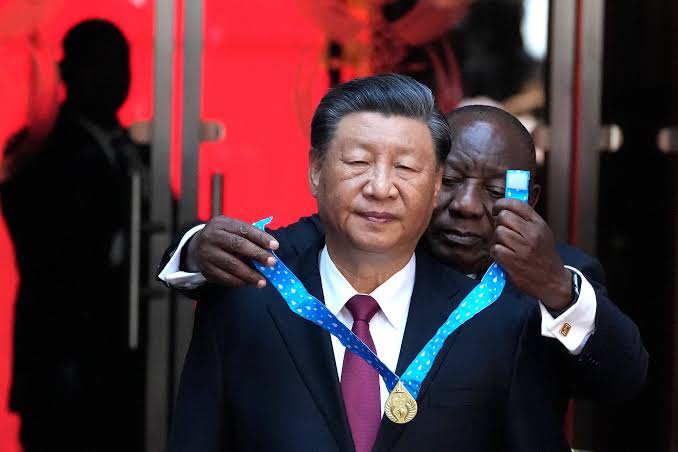
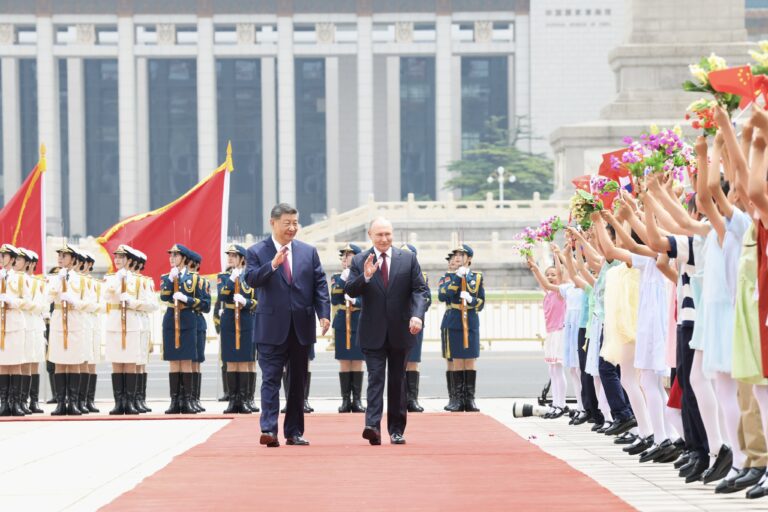
Following his ascent to office, but also in the years coming thereafter, President Xi Jinping has sought to bring the togetherness between his country and Africans closer through concrete efforts and highly symbolic gestures alike― one recalls for instance, that he scheduled the continent for his very first foreign visit as a head of state. It would naturally follow hence, that Xi seeks more ways to keep the momentum going. And this is exactly what the civilizations inter-marriage agenda is set to accomplish.
The writer is a lawyer and a Research Fellow at the Development Watch Centre.