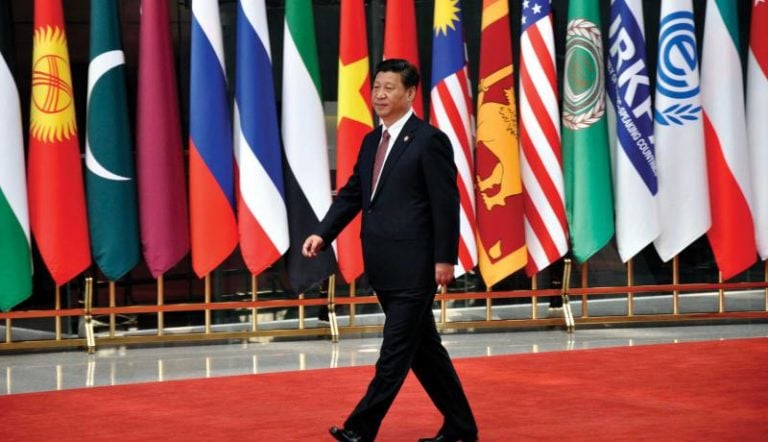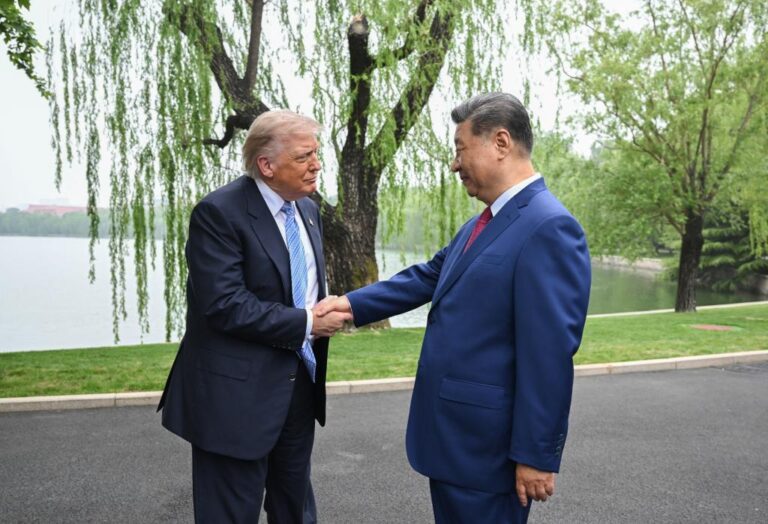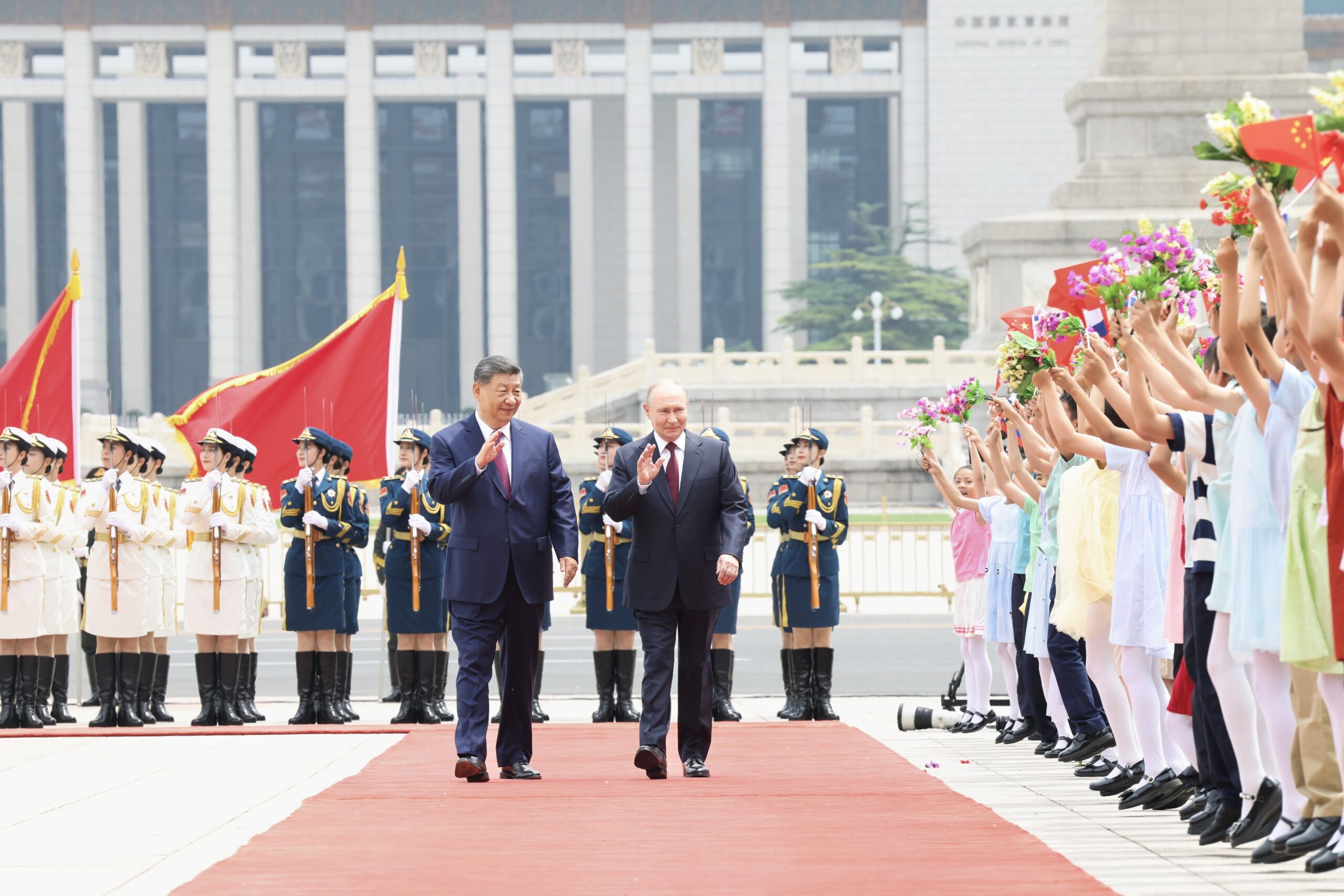
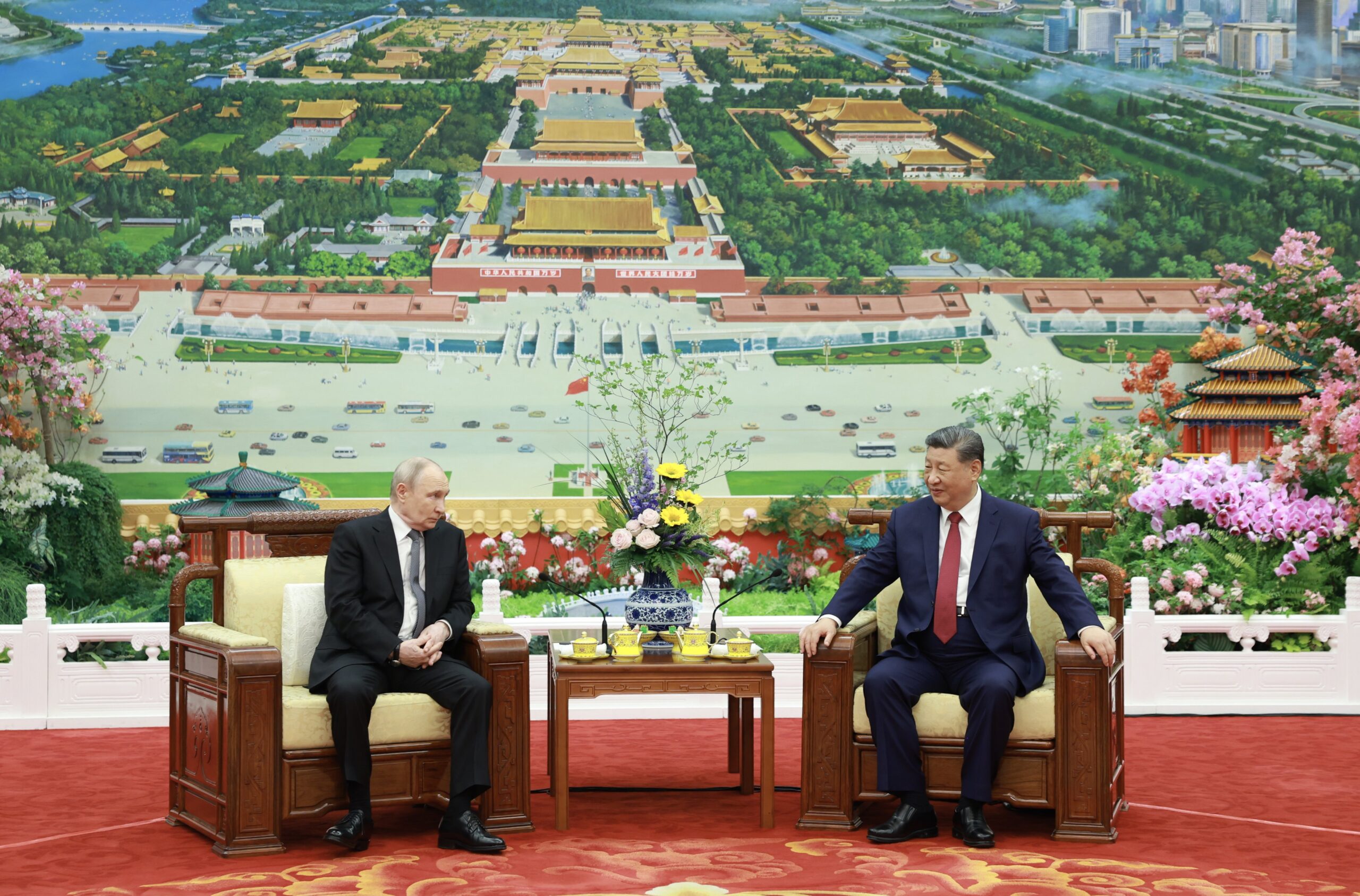
On the night of Tuesday, May 19th, the President of the Russian Federation arrived in Beijing, China for a remarkable two days state visit (together with President Xi Jinping, the Eastern European leader signed twenty agreements). At the same time, given that the said mission followed that of President Trump merely four days after, the bigger conversation it has sparked in town centres on the role of the People’s Republic of China (PRC) in geopolitics moving forward.
The presence of two United Nations Security Council Permanent member states leaders in China in a timeframe shorter than a week was impossible to miss even for people uninterested in international relations. The truth of the matter however, is that if anything, this moment was only revealing of a tide that has been a long time coming. With more slated to come, PRC has already hosted nine heads of states and four foreign ministers this year alone (in five months that is). In order to appreciate the high level delegations in Beijing that have been the face of the news for the last one and a half weeks therefore, one ought not to lose sight of the broader dynamics at play.
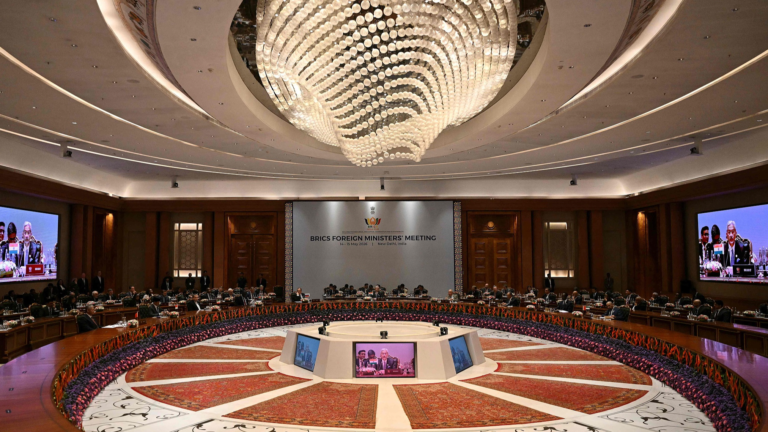
Effectively, these are fruits of a perspective that China has championed for years as being a core tenet of interstate relations i.e. multilateralism. Going back to almost a decade now, the country has used every opportunity it gets to emphasize that rather than view prosperity as a zero-sum game, focusing on areas of mutual benefit would better serve the interests of humanity. Although the message was first picked on by the global south as evidenced by developments such as the popularity of BRICS in recent years and the active reaffirmation of non-alignment by the Association of Southeast Asian Nation, countries formerly sceptical of it are finally coming around.
Indeed, the presidents and prime ministers that were in China during the first half of this year disproportionately represent this bracket of states (Britain, Germany, South Korea etc.). France’s Macron met with Secretary Xi in December 2025 as well. For many of them, the breaking away from convention was marked by not least, the period that it had taken from when officials in their capacities had last visited Beijing (nine years in the case of Canada for example, and fourteen for Ireland). Additionally, their attitude has significantly shifted in the direction of aspiring towards a world founded on win-win diplomacy.
When speaking ahead of flying to China in January hence, the United Kingdom’s Premier Sir Keir Starmer pushed back against black-and-white sentiments asserting that London did not have to choose between the United States and Beijing. Seoul President Lee Jae Myung has asserted too that his country’s strong ties with Washington did not have to come at the cost of relations with her neighbour on the other side of the yellow sea.
As the politics has smoothened, so has the economics. And in so doing, the first steps of shared progress have been laid. Prime Minister Mark Carney’s engagements with his Chinese counterpart thus brokered collaboration in electric vehicles manufacturing and agriculture among other sectors and this is set to benefit both sides by creating employment opportunities, producing affordable yet high quality products, and improving living standards. On the other hand, the Sino-Britain talks created new avenues in pharmaceuticals and creative industry while Beijing and France have come to consolidate synergies in aviation and energy.
That as it may, it would be too early to celebrate these gains as there remains vestiges of the old style of viewing things still entrenched in key spheres of influence. During President Trump’s time in Beijing for example, there was no shortage of commentaries in US media houses by pundits who rather than acknowledge that the us vs. them mentality is a thing of the past posited instead that the only thing that had changed was that Beijing had ascended to the helm.
Granted, this position is a concession of something going a miss in the way that Washington has carried itself with other nations in the recent past but it is not enough if the Cold War outlook which made things this way in the first place is going to be defeated. That is why work like that which the Development Watch Centre does must carry on.
Joshua Kingdom is a lawyer and a Research Fellow at the Development Watch Centre