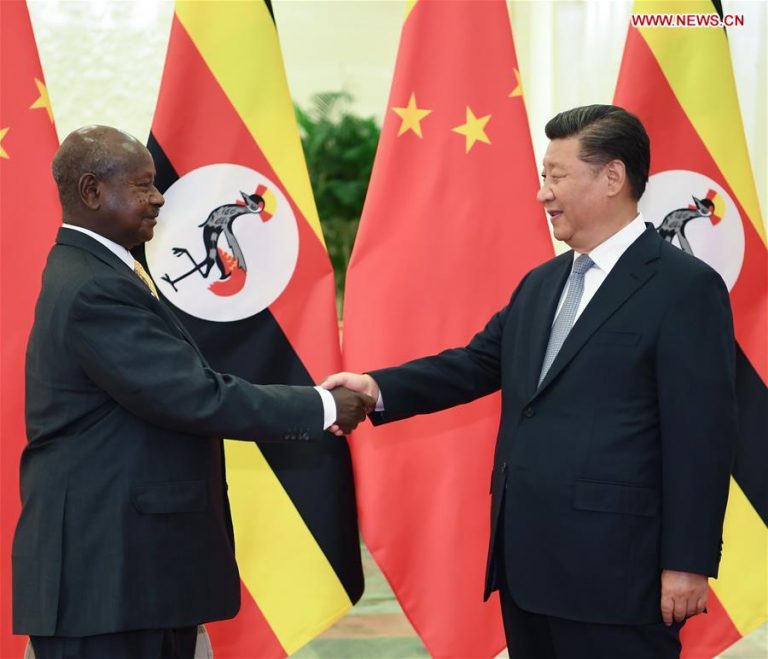
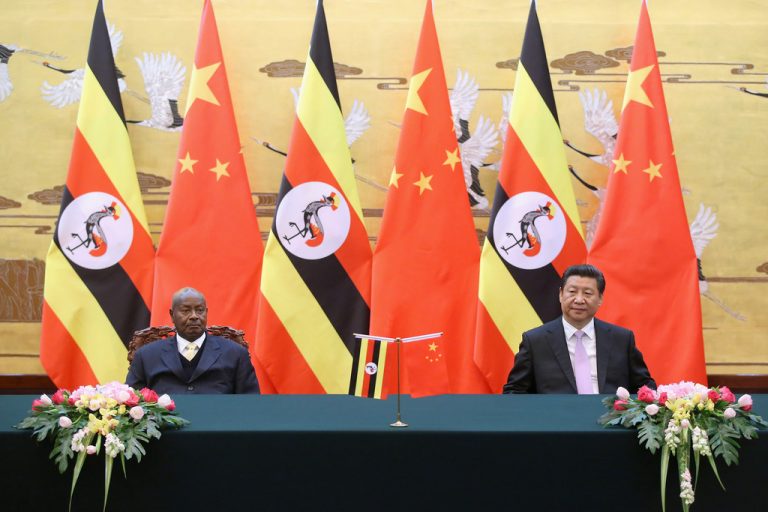
The Chinese Belt and Road Initiative has defined Africa’s relationship with China for over a decade. Within this time the average Ugandan’s interaction with China was largely limited to the importation of “cheap” Chinese goods and the Entebbe Expressway. The latter has always been an infamous scapegoat in conversations of the fictitious “Debt trap diplomacy” while the former also triggered misgivings with a belief that lower prices construe a compromise on quality.
Fortunately, these narratives have greatly been discredited with the Entebbe Express still standing as one of Ugandas most ambitious infrastructure projects (the detractors of this development always conveniently forget that Mandela National Stadium was also constructed in the early 2000s with a Chinese loan but the debt has never trapped us). Additionally, Chinese imports have switched the moniker of “cheap” for “reliable value for money” and we now have Chinese brands like the Sinotruck that have become synonymous with construction sites in the Kampala metropolitan. This is exactly how Uganda’s relationship with China has been reshaped, with real work, real progress and mutual benefit.
Now China is taking on it’s biggest challenge yet, the shift from infrastructure development to Foreign Direct Investment (FDI) into the Ugandan economy. This does not simply represent a change in policy; it’s restructuring Uganda’s path to development with a focus on building the industrial and processing capacity of the nation.
China’s dialing down on the big loans and ramping up foreign direct investment fast tracks all development because it means Chinese companies are putting their own cash on the line, becoming partners and not just lenders. It’s definitely a pragmatic approach for China; securing resources and markets, but from the Ugandan perspective it’s a breath of fresh air. In the oil and gas sector the China National Oil Company has invested billions of US Dollars into the Kingfisher field, not as a loan but for an equity stake in the project that will define Ugandas economy for at least the next decade.
This is also a large boon for our national GDP because FDI isn’t money that vanishes after a project is wrapped up, it’s a long term vote in the country’s future. This is evident in the industrial parks being set up, like Mbale which Chinese investment has turned into a buzzing industrial hub with factories and assembly lines producing clothes, gadgets, cutlery among others. This puts approximately 10,000 Ugandans on payroll, excluding auxiliary and support industries such as transporters. The slice of manufacturing in our GDP is pushing 27% and wiyh this strategy we can expect more impressive numbers because we’re not shipping out raw materials anymore but we’re adding value, processing ores, assembling products for the East African market and beyond.
And the best part is this model builds skills that last. In these joint ventures, Ugandans are learning the ropes from high-tech assembly lines to supply chain tricks. It’s helping us adapt to global market turbulence. When coffee prices tank, having a diverse economy with factories humming along is west keeps the lights on. The government only needs to regulate local content policies so that more of the money stays in Uganda.
The reduced debt burden is also not something to complain about, a huge portion of our national budget is already going to debt repayment so China’s new policy could not have come at a better time. This way, China can meet its commitment to invest in renewable energy like solar panel plants and its bamboo research which matters when climate change hits our farmers hard(Uganda is a frontline state in Global Warming effects). With a population as young as ours (over half under 25) this job creation is crucial and foreign direct investment is the most sustainable approach to facilitate this.
As we gear up for talks like FOCAC next year, we need to keep pushing for deals that put us first. China’s shift in strategy to Foreign Direct Investment could be Uganda’s ticket to high-tech sectors, innovation hubs, all fueled by smart partnerships and technology sharing (Rwanda already got a great deal in its e-vehicle manufacturing plant). It matches our drive for self sustainability and solid growth that does not erase what makes us Ugandan.